
Enter his gates with thanksgiving (Psalm 100:4). What does the psalmist mean when he tells us to enter the gates of God with thanksgiving? If I might put it so simply and colloquially, it means “Don’t even think about coming into God’s presence without praise on your lips.” God’s goodness is infinite, and God’s blessings are abundant, and so thanksgiving is the only appropriate response.

Everything For Your Good
We know that for those who love God all things work together for good, for those who are called according to his purpose (Romans 8:28). What a sweeping, staggering claim this is! And yet Paul says we can know for certain that all the details of our lives are working together for our good, as believers in Jesus Christ. How do we know this?

Christ, the Power & Wisdom of God
We preach Christ crucified, a stumbling block to Jews and folly to Gentiles, but to those who are called, both Jews and Greeks, Christ the power of God and the wisdom of God. For the foolishness of God is wiser than men, and the weakness of God is stronger than men (1 Corinthians 1:23-25).

Every Human an Image-Bearer
Whoever sheds the blood of man, by man shall his blood be shed, for God made man in his own image. And you, be fruitful and multiply, increase greatly on the earth and multiply in it (Genesis 9:6-7). God knows that humans are fallen, broken creatures. Even as Noah steps off the Ark into the new, post-Flood world, God is already addressing the issue of homicide.

Unburden Your Soul To God
Do not be anxious about anything, but in everything by prayer … let your requests be made known to God (Philippians 4:6) Prayer is the means God has given us for unburdening our souls. This is important to consciously, biblically affirm. Otherwise, we may feel weighed down with anxiety, with guilt, with discouragement, or with sorrow and yet have no solution for these soul burdens. Does that perhaps describe you?

What It Means To Walk With God
O Lord, you have searched me and known me! (Psalm 139:1) Notice two things from this brief statement. First, it recognizes the fact that God knows us, is intimately acquainted with us. Second, it is a prayer. It is a prayer from the psalmist, talking to God, and recognizing God’s ever-presence with him. This is the essence of walking with God.

Jesus Must Reign Until…
Then comes the end, when he delivers the kingdom to God the Father after destroying every rule and every authority and power. For he must reign until he has put all his enemies under his feet. (1 Corinthians 15:24-25) Together, these two verses form one of the most encouraging and comforting pictures of reality to be found anywhere in Scripture! Every minute of time between Christ’s ascension into heaven and Christ’s triumphant return to earth is summed up here. When Jesus Christ comes again, he will have destroyed every opposing power or authority.

God Gets the Glory For Your Achievements
You cause the grass to grow for the livestock and plants for man to cultivate, that he may bring forth food from the earth and wine to gladden the heart of man, oil to make his face shine and bread to strengthen man’s heart (Psalm 104:14-15). The psalmist is worshiping God for all his creative acts and wonders. And among the things God gets credit for, according to Scripture, is the results of human labor!

Lessons From George Muller
George Muller, the great nineteenth-century English preacher, fed over 10,000 orphans during his lifetime — on nothing but prayer. Refusing to solicit donations or perform fundraisers, Muller famously found God more than sufficient for all the needs of the orphanages as he daily prayed for their provision (read an excellent article here for more on that). Countless Christians since Muller’s day have discovered there are life lessons to be learned from God’s grace in and through this man’s faithful ministry.

Wise People Strive To Be Wiser
A very mature Christian came to me recently and said, “I want to learn more about doing family devotions well.” Not long after, I had a very edifying conversation with a gray-haired saint who was wanting to study a particular Bible topic together. These encounters just reminded me of this fact: the wise person is always seeking to become wiser still. The truly spiritual person recognizes his or her constant need for spiritual growth.

Trusting in the Lord During Seasons of Waiting
My God will hear me (Micah 7:7). Five small words — but they teach several crucial lessons. As Micah determines to look to the one true God as his only hope and sufficiency, waiting on his perfect timing and perfect answers, he confidently asserts: “my God will hear me.”

Can We Limit God By Our Free Will?
How often they rebelled against him in the wilderness and grieved him in the desert! They tested God again and again and provoked the Holy One of Israel (Psalm 78:40-41). This passage has been misunderstood by some to support the idea that men and women have an autonomy which God cannot violate and that we, therefore, have the ability to “limit” (as per the KJV) God’s interactions with his creation. It is thought that we have a “sacred free will” which God can not, or will not, violate.

Bone of My Bones, Flesh of My Flesh
The man gave names to all livestock and to the birds of the heavens and to every beast of the field. But for Adam there was not found a helper fit for him. So the Lord God caused a deep sleep to fall upon the man, and while he slept took one of his ribs and closed up its place with flesh. And the rib that the Lord God had taken from the man he made into a woman and brought her to the man (Genesis 2:20-22) What a precious scene!

Is the Song of Solomon Relevant Today?
Throughout much of church history there has been great confusion, and even tragic error, regarding the interpretation and use of the Song of Solomon. While some Jewish leaders have been on record discouraging it from being read by any man under the age of 30, Christian leaders have been almost as obvious in their discomfort with the book. One Christian forefather Origen even suggested that it should not be read by anyone who has not first completely crucified all his carnal, fleshly desires.
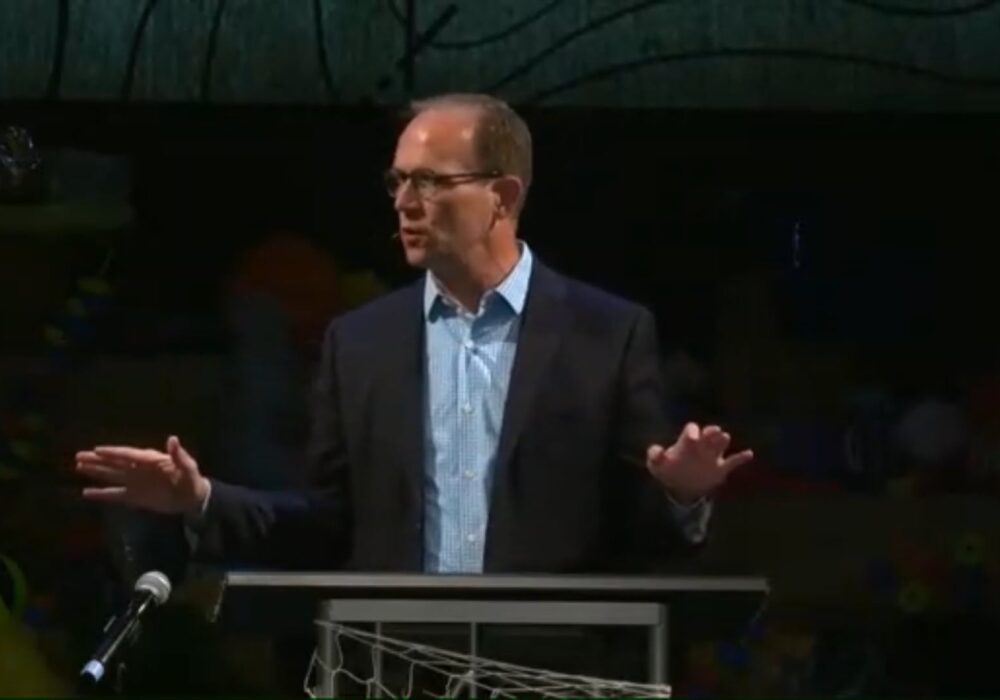
Acts: Paul is Presented to Felix
Title: Paul Is Presented to Felix Text: Acts 23:12-35 Big Idea: God’s great interest is the small details of his kingdom and his people. Outline: 1) Paul’s enemies plot to kill him. (vv. 12-15) Question to consider: What promises from the past do you have for your current situation? 2) Paul’s nephew is used to deliver Paul. (vv. 16-21) Question to consider: Who might God be using/sending in your life right now? 3) The Roman army is used to protect Jesus’ messenger. (vv. 22-35) Question to consider: What personal details do you need to trust to God